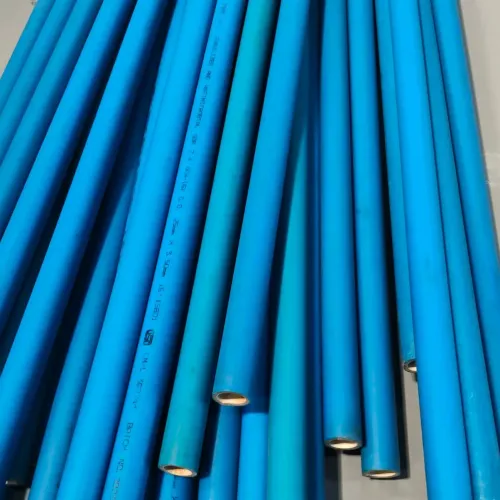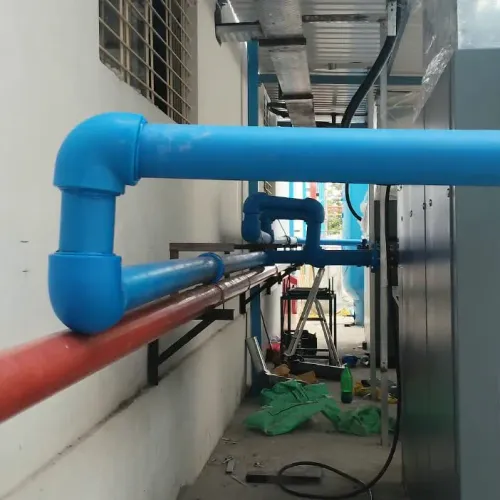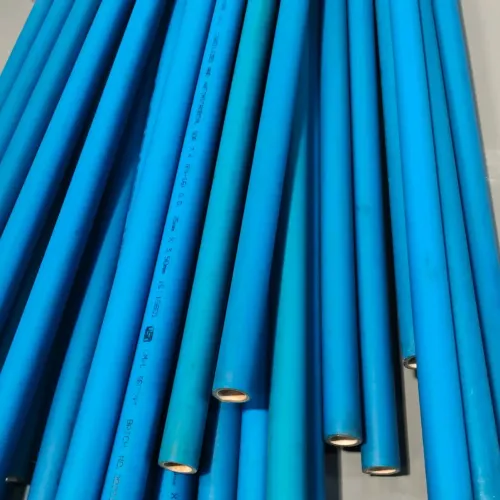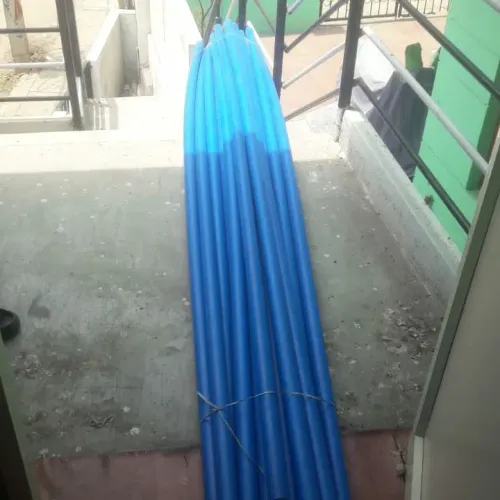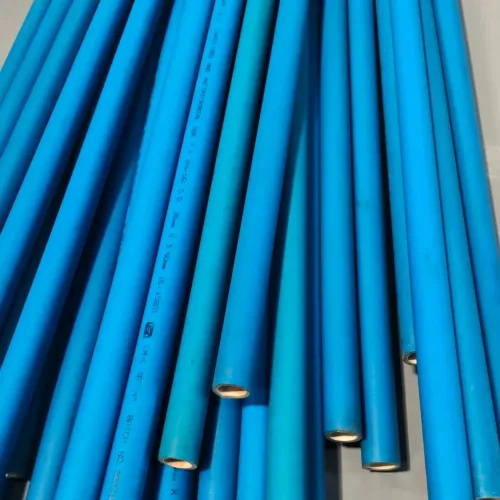
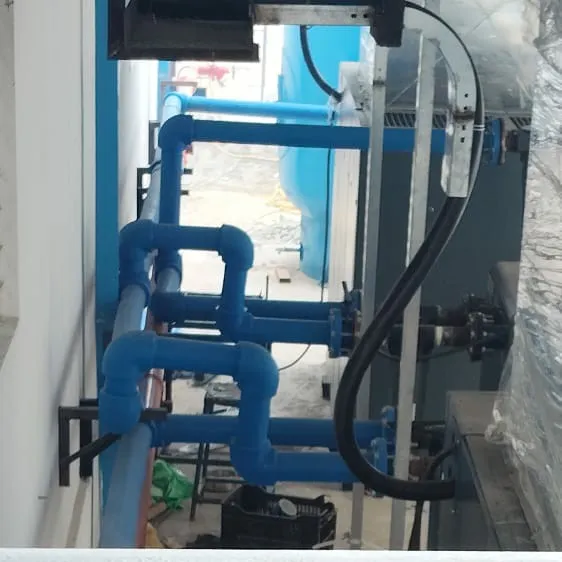
Here is a concise overview of PPR Pipes for Chemical Factories:
PPR Pipes for Chemical Factories
PPR (Polypropylene Random Copolymer) pipes are widely used in chemical factories for transporting water and compatible chemicals due to their excellent corrosion resistance, long service life, and leak-proof fusion joints. They are an ideal alternative to metal pipes in many industrial applications.
Applications
Process water distribution
Cooling water systems
Chemical dosing lines (for compatible chemicals)
Demineralized (DM) and RO water systems
Compressed air systems
Utility water supply
Effluent and wastewater transfer (where compatible)
Benefits
Excellent resistance to corrosion and scaling
Resistant to many acids, alkalis, and salt solutions (subject to chemical compatibility)
Smooth inner surface minimizes pressure loss
Heat-fusion joints provide leak-proof connections
Lightweight and easy to install
Long service life of up to 50 years under recommended operating conditions
Low maintenance requirements
Suitable for hot and cold fluid applications
Important Considerations
Always verify the chemical compatibility of the fluid with PPR before installation, as some strong solvents and concentrated chemicals may not be suitable.
Select the appropriate pipe pressure class (PN rating) and temperature rating for the application.
Follow manufacturer installation guidelines to ensure reliable performance.
PPR piping systems provide a durable, cost-effective, and reliable solution for water and compatible chemical distribution in chemical manufacturing facilities.
Keywords