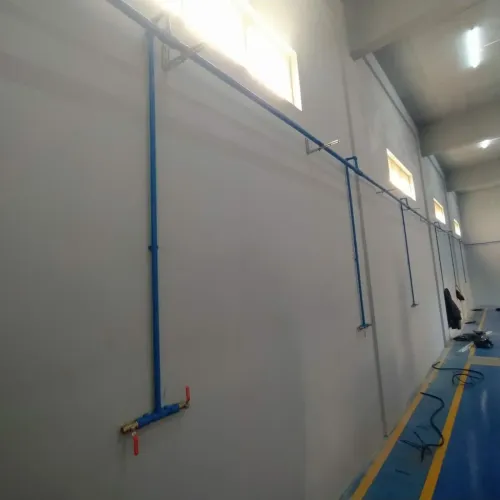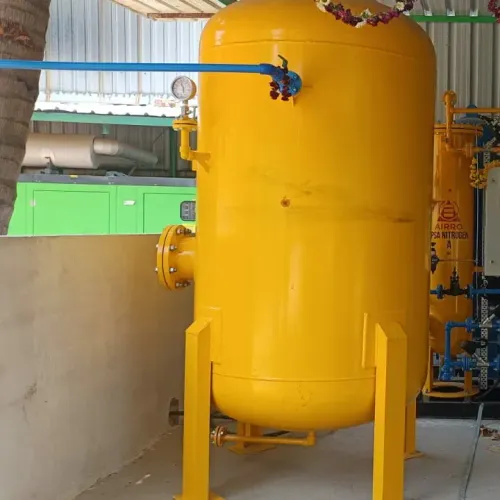


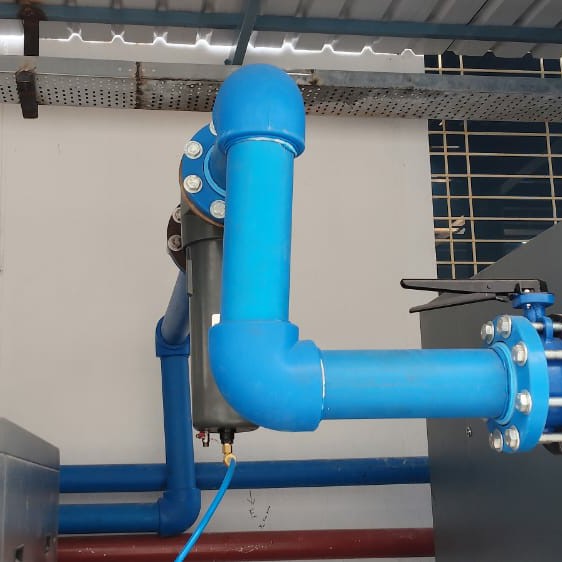
Yes, PPR piping can be used for compressed air systems, but the pipe type and operating conditions must be carefully selected.
Advantages of PPR for Compressed Air
Corrosion-free: Unlike steel pipes, PPR does not rust or scale internally.
Smooth inner surface: Reduces pressure loss and improves airflow efficiency.
Leak-free joints: Heat fusion welding creates homogeneous joints with minimal leakage risk.
Lightweight: Easier and faster to install than metal piping systems.
Low maintenance: No internal corrosion means longer service life.
Important Design Considerations
Pressure rating: The pipe's pressure class (PN rating) must exceed the system operating pressure with an adequate safety margin.
Temperature effect: Higher air temperatures reduce the allowable pressure capacity of PPR pipes.
Compressor discharge temperature: Hot compressed air should be cooled before entering the PPR network.
Pipe support: Proper supports and allowance for thermal expansion are essential.
Safety requirements: Some industrial standards or local regulations may require metallic piping near compressors or in critical areas.
Recommended Applications
PPR compressed air piping is commonly used in:
Manufacturing plants
Packaging industries
Textile industries
Food and beverage facilities
Pharmaceutical plants
Automotive workshops
Instrument air distribution systems
For industrial compressed air systems, many facilities prefer fiber-reinforced or aluminum composite PPR pipes because they provide improved dimensional stability and reduced thermal expansion.
If you share your working pressure (bar), air temperature, and application type, I can suggest the appropriate PPR pipe class and sizing.