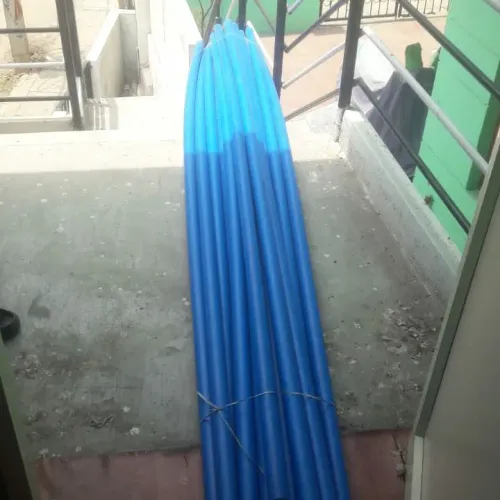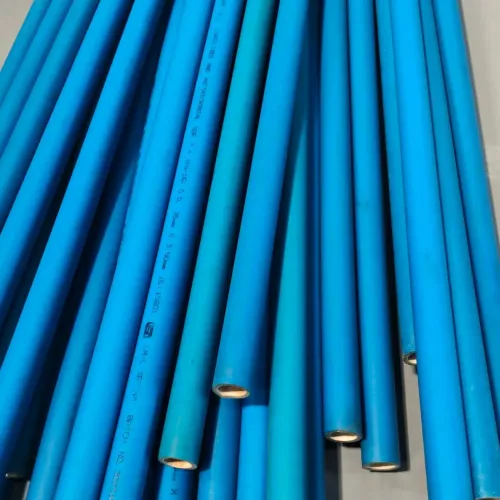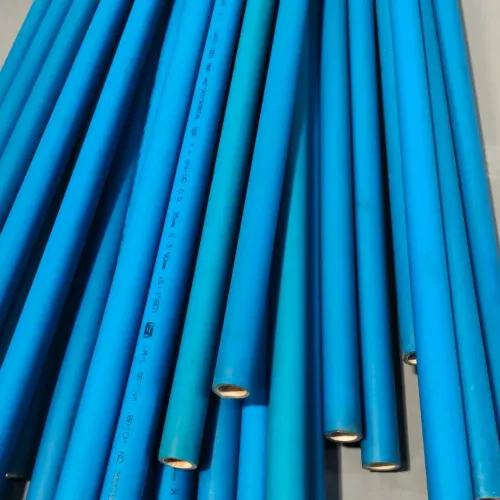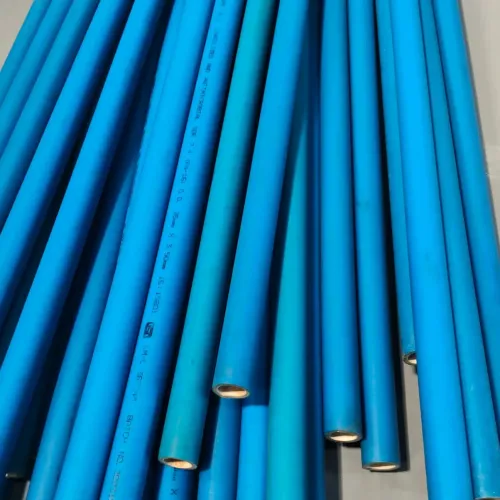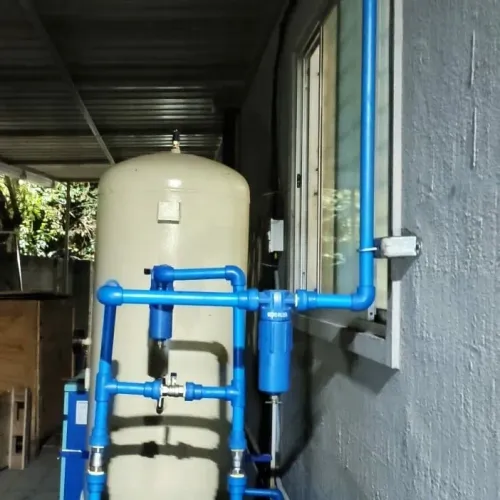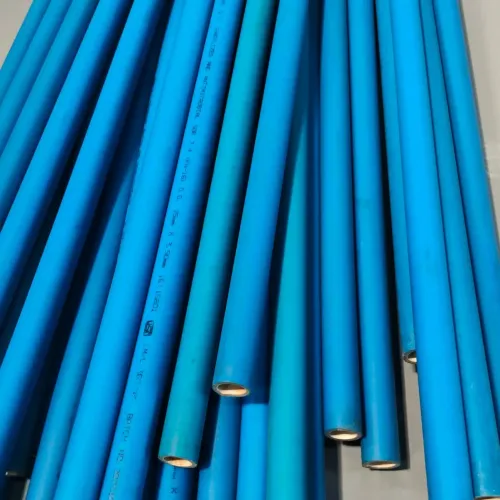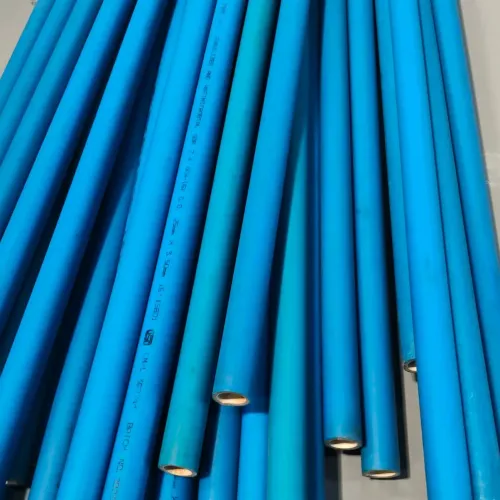
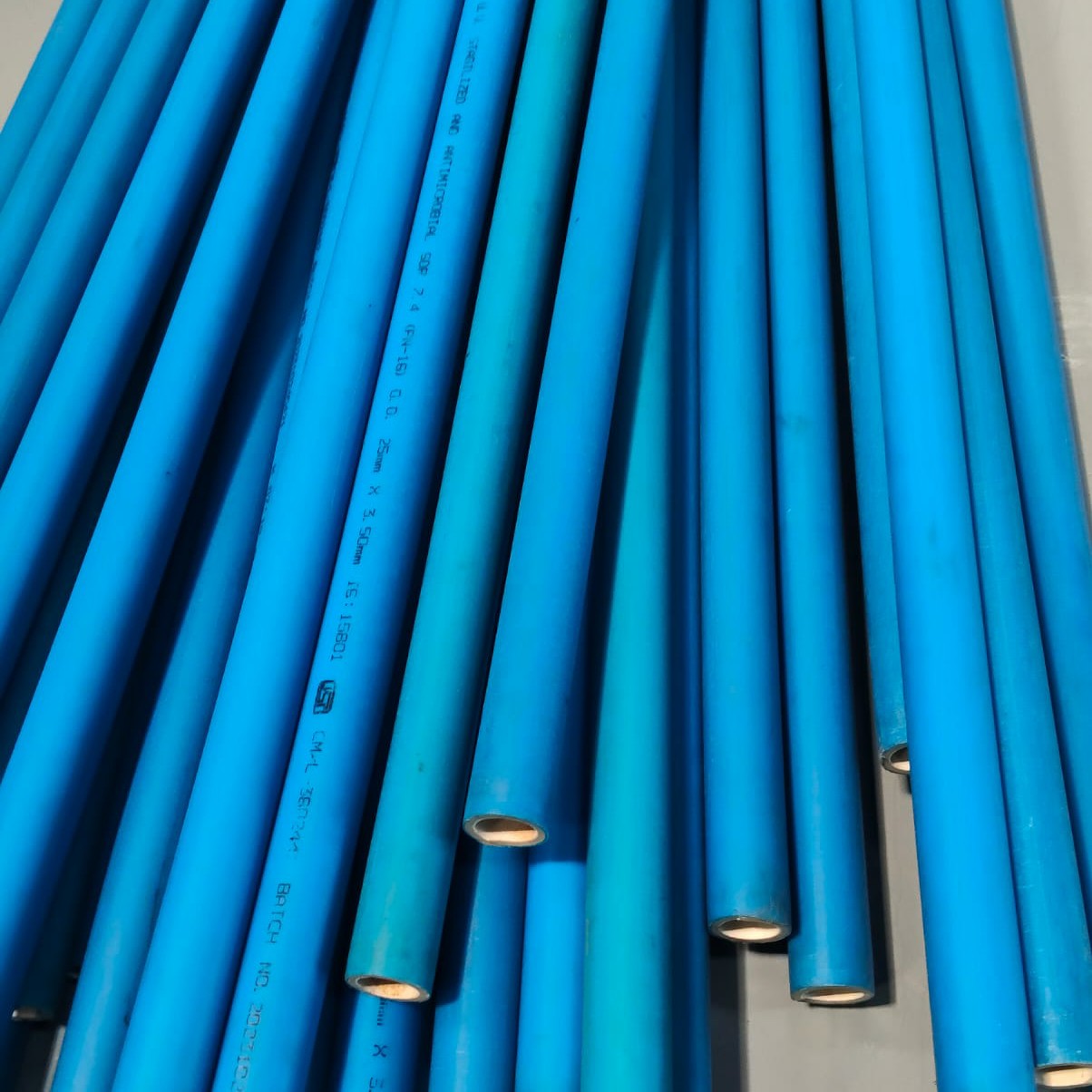
Polypropylene Random Copolymer (PPR) pipes can be used for low- to medium-pressure compressed air systems, provided the specific pipe grade, pressure rating, and temperature limits are strictly verified. [1, 2, 3]
Key Specifications & Ratings
- Material Grades: PN-16, PN-20, or PN-25 rated PPR (or modified PP-RCT for higher temperature resistance). [1, 2]
- Working Pressure: Typically suitable up to 10–25 bar depending on wall thickness (SDR) and ambient temperature. [1]
- Temperature Limits: Standard PPR handles up to 70°C–95°C, but pressure capacity derates significantly as temperatures rise above 20°C–40°C. [1, 2]
- Standards: Look for compliance with ISO 15874 or DIN 8077. Major Indian manufacturers like Prince Pipes offer specialized blue/green industrial PPR-C lines designed for air and fluid transport. [1, 2, 3]
Advantages
- Corrosion & Rust Resistance: Unlike steel, PPR does not rust, preventing internal flaking that can damage pneumatic tools or downstream equipment. [1]
- Smooth Inner Surface: Low friction coefficients (~0.1 micron RA) minimize pressure drop and energy loss. [1, 2]
- Leak-Proof Joints: Socket-fusion heat welding creates a monolithic, seamless bond when performed by trained technicians. [1, 2]
- Lightweight: Easy to transport, cut, and mount on facility walls. [1]
Critical Safety Risks & Limitations
- Brittle Shatter Risk (Rapid Crack Propagation): Unlike ductile metals (steel or aluminum) that tear or "fish-mouth" under extreme failure, standard rigid plastics can shatter violently under compressed air energy. Occupational safety rules (such as OSHA guidelines) often restrict or place strict requirements on brittle plastics for above-ground compressed air.
- Hot Compressor Discharge: Never connect PPR directly to the hot discharge side of an air compressor. Air must pass through an aftercooler, receiver tank, and dryer first to drop temperatures below safe operating thresholds.
- Thermal Expansion: PPR expands significantly more than metal. Long straight runs require proper support spacing (every 0.6 to 1.2 meters / 2 to 4 feet) and expansion loops to prevent joint shearing.
- Oil Incompatibility: Synthetic or hydrocarbon compressor lubricants can degrade certain plastic formulations over time; ensure your compressor uses oil-free air or compatible
Keywords