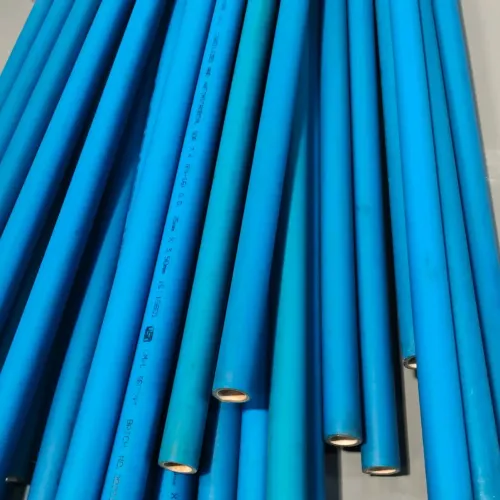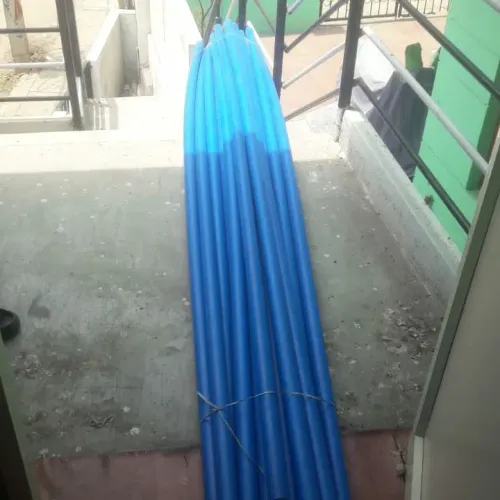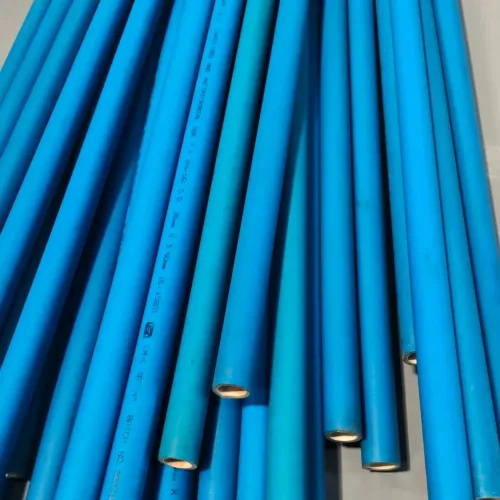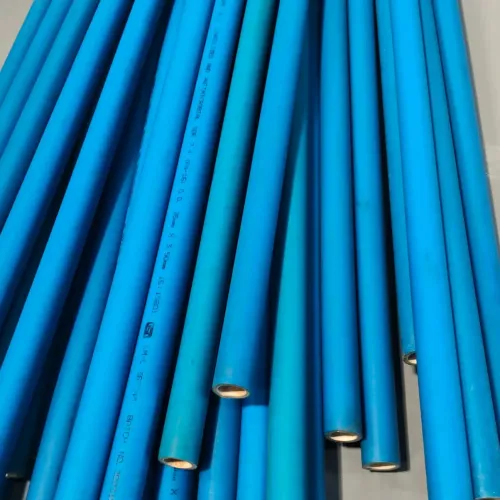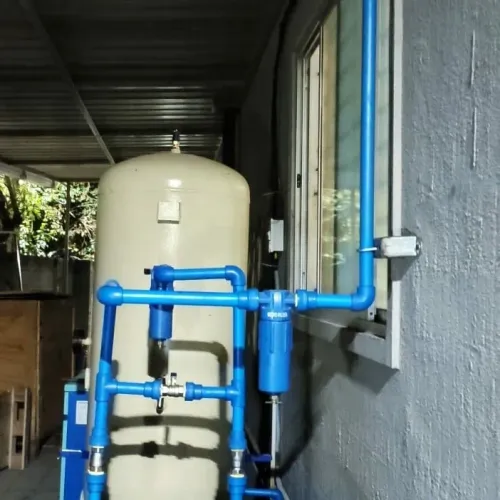
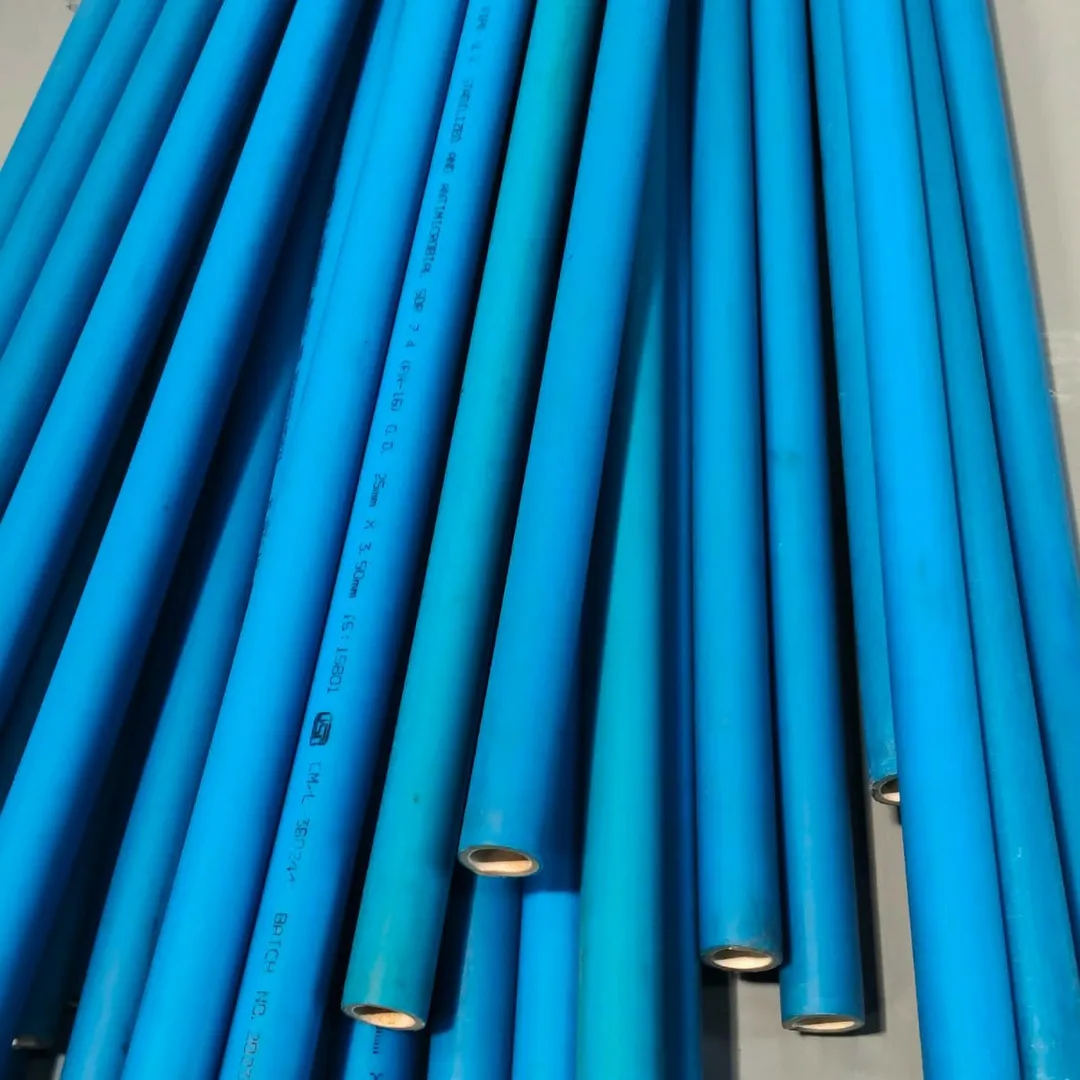
Yes. PPR (Polypropylene Random Copolymer) pipes can be used in food & beverage industries, particularly for water and certain non-aggressive process fluids. However, for direct food-contact or hygienic process lines, the specific pipe, fittings, and jointing system must have appropriate food-contact/hygiene certifications.
Typical applications
Potable and process water
RO/treated water distribution
Hot and cold water
CIP-related utility lines, where chemically and thermally compatible
Beverage-processing utilities
Compressed air, where the system is appropriately rated
Cooling and HVAC water
Key advantages
Corrosion-free compared with metal piping
Smooth internal surface, reducing deposits
Heat-fused joints minimize leakage and contamination points
Lightweight and easy to install
Good resistance to many cleaning chemicals
Suitable for hot-water service when correctly specified
Important for food & beverage
For a hygienic process installation, don't select PPR based only on the material name. Check:
Food-contact approval for the intended application.
Temperature and pressure rating at the actual operating conditions.
Chemical compatibility with acids, alkalis, sanitizers and CIP chemicals.
Pipe and fitting certifications from the manufacturer.
Hygienic design requirements such as drainage, dead-leg control and appropriate jointing.
Keywords