Thank you for writing to us. One of our executive will reach back to you through your submitted medium. In case there’s an urgency, feel free to connect over WhatsApp for faster response.
Prefer calling? Dial +918048038797 (International callers) or 08048038797 (Indian callers).
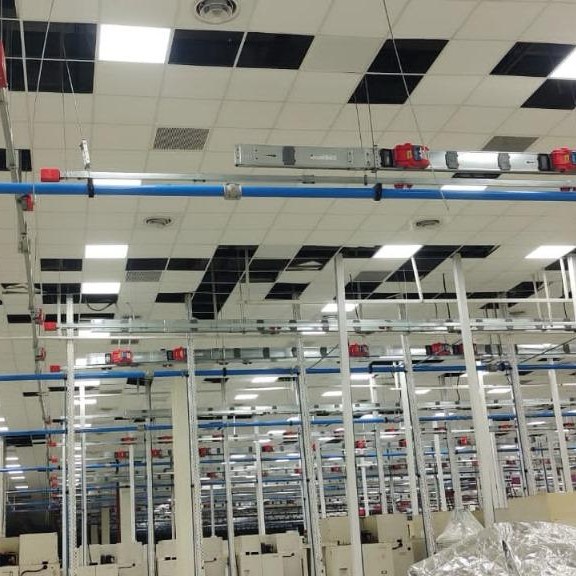
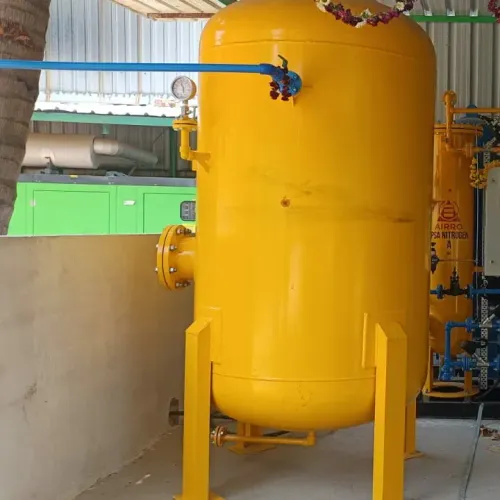
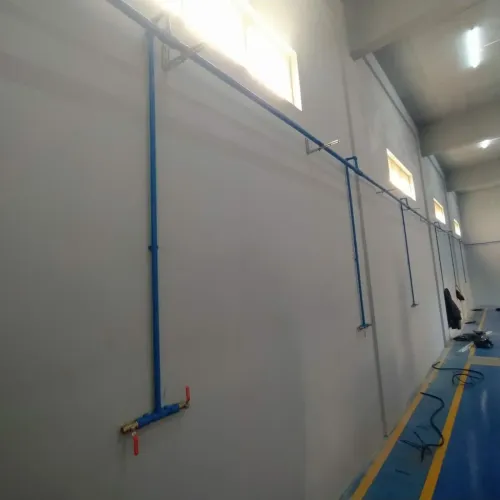
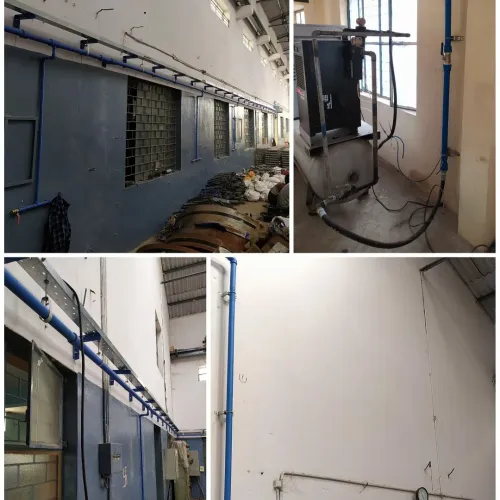
Using aluminum for compressed air piping has become the gold standard for modern shops and industrial facilities. While old-school galvanized steel or copper used to be the go-to, aluminum offers a "set it and forget it" efficiency that’s hard to beat.
Here is the breakdown of why it works, the trade-offs, and what you need to know for installation.
Why Aluminum?
Aluminum piping systems (like Transair or RapidAir) are designed specifically for compressed air.
Corrosion Resistance: Unlike steel, aluminum doesn’t rust. Rust in a line creates "scale" that flakes off, clogs your tools, and ruins paint finishes.
Low Friction: The interior of aluminum pipe is incredibly smooth. This means less pressure drop (friction loss) over long distances, saving your compressor from working harder than it needs to.
Lightweight & Easy to Install: You don't need a pipe threader or a welding torch. Most systems use push-to-connect or compression fittings, making it a DIY-friendly weekend project.
Leak Prevention: The O-ring seals used in aluminum fittings are significantly more reliable over time than threaded joints sealed with Teflon tape or pipe dope.