


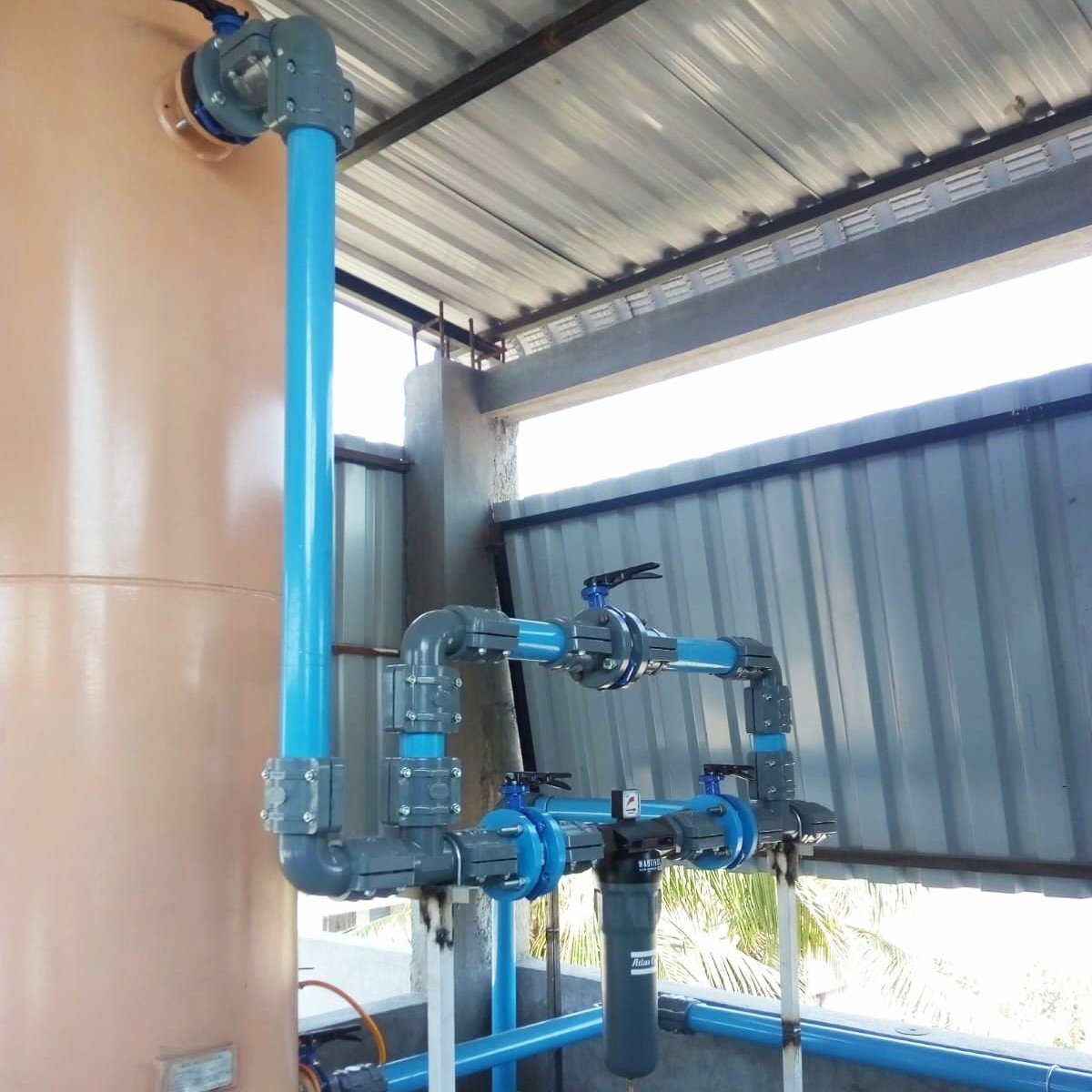
Installing PPR (Polypropylene Random Copolymer) piping for the pharmaceutical industry requires far more than basic plumbing skills. For firms like Indutility Engineers, the focus must be on maintaining a sterile environment, ensuring chemical compatibility, and strictly adhering to Good Manufacturing Practices (GMP).
Here is an expert guide to high-standard PPR installation in a pharma context.
1. Material Specification: PPR vs. PPR-CT
In pharmaceutical utilities, PPR-CT (Crystalline Temperature modified) is often the preferred choice over standard PPR.
Enhanced Strength: PPR-CT has a more complex crystalline structure, allowing it to handle higher pressures at elevated temperatures with thinner walls.
Flow Efficiency: Thinner walls mean a larger internal bore, which improves flow rates and reduces energy consumption for pumps.
FDA Compliance: Ensure all materials are certified food-grade and leaching-free to prevent contamination of process water.
2. Fusion Welding: The Core of Integrity
The most critical part of the installation is the fusion process. Unlike metallic pipes that require gaskets or soldering, PPR uses thermal fusion to create a single, continuous material bond.


