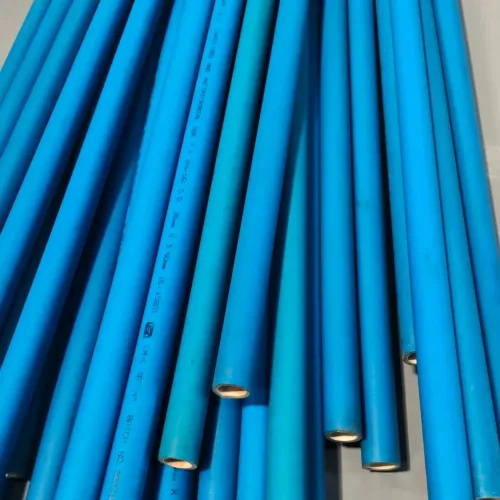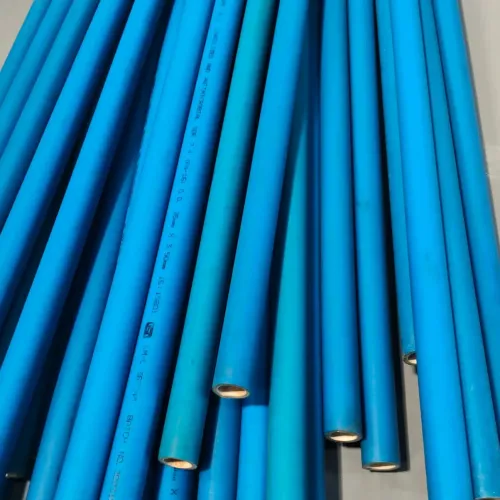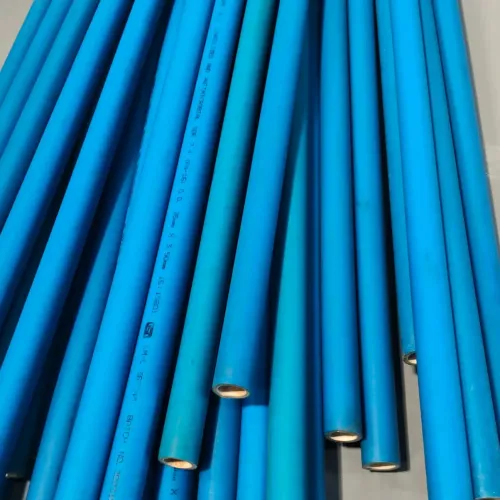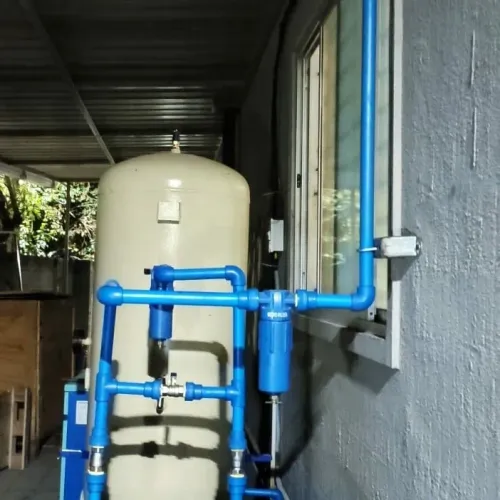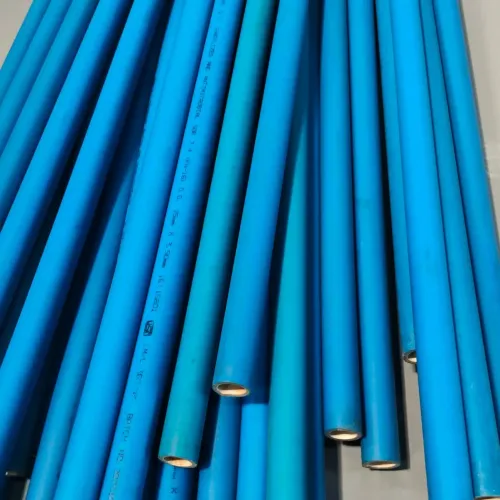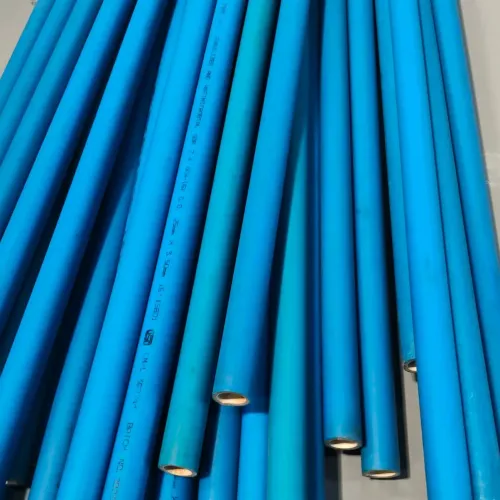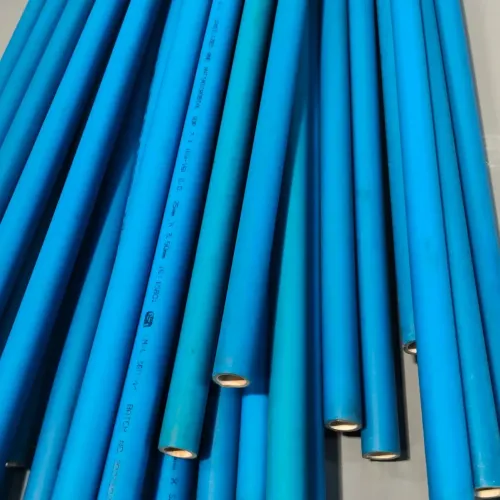
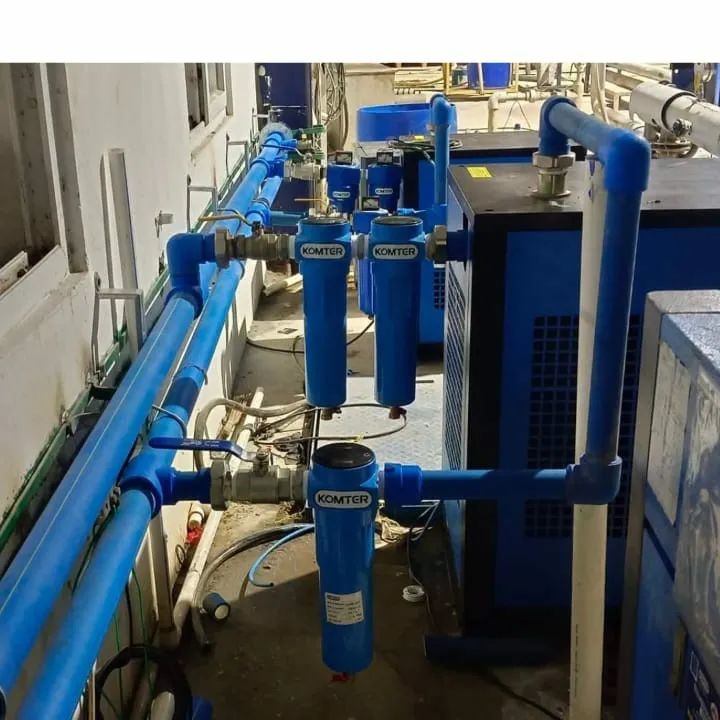
PPR (Polypropylene Random Copolymer) pipes for factory/industrial applications, they can be a good choice for:
Compressed-air lines — where the manufacturer specifically rates the system for it
Process/cooling water
Hot and cold water
Chemical/industrial fluid transfer — depending on chemical compatibility
RO/DM water and utility lines
HVAC/chilled-water applications
Why factories use PPR
Corrosion- and rust-resistant
Heat-fused joints, reducing leakage points
Smooth internal surface → low pressure loss
Relatively lightweight and easy to install
Long service life
Lower maintenance than many metal piping systems
What to specify for a factory
The important factors are pipe diameter, pressure rating (PN), operating temperature, fluid/chemical, and application. Common PPR pressure classes include PN10, PN16, PN20 and PN25, but the appropriate class depends on the actual service conditions.
If you tell me what the factory uses the pipes for (water, compressed air, chemicals, steam, etc.) and the required pipe size, I can recommend the appropriate PPR specification and fittings.
Keywords