


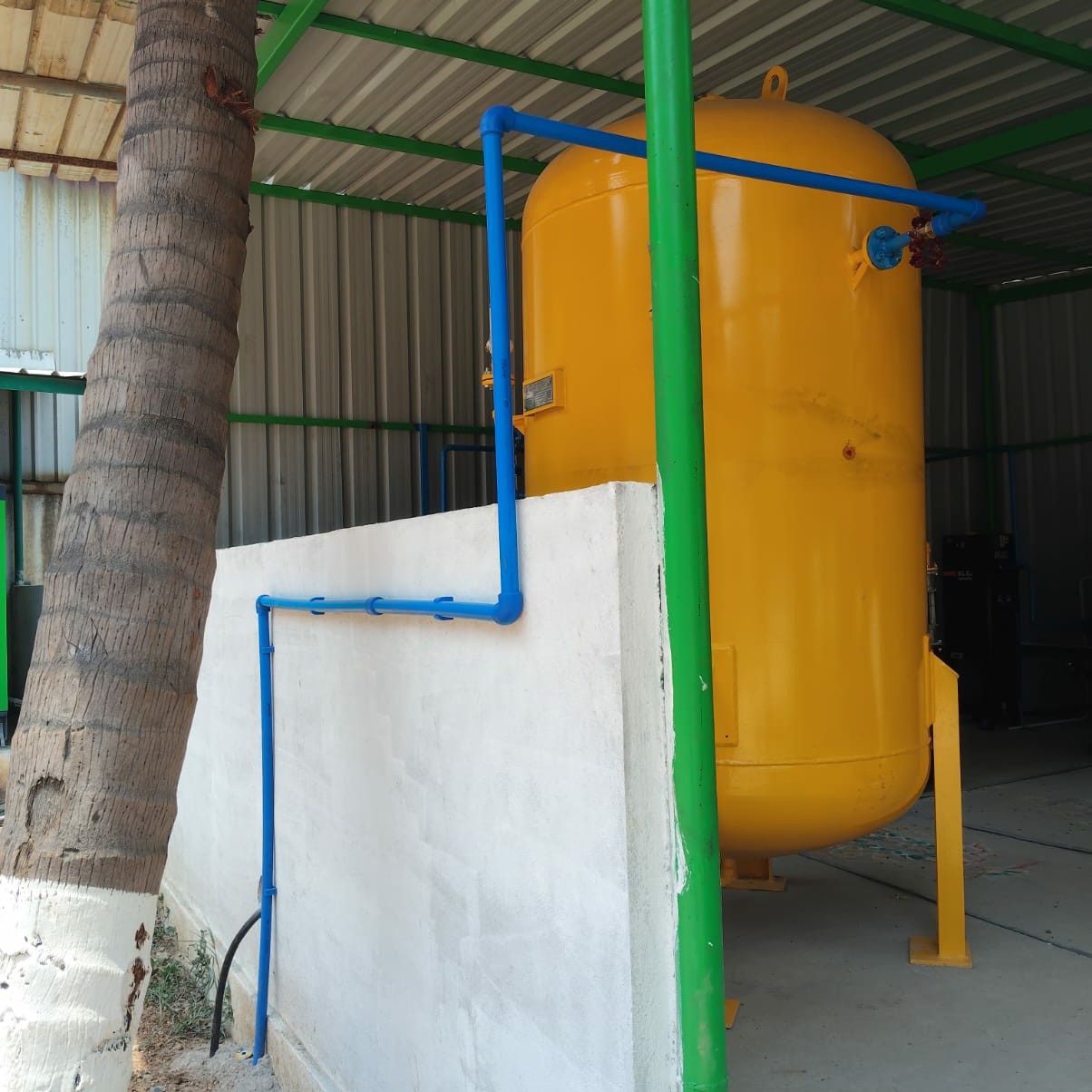
PPR pipes are widely used in industries for:
Compressed air systems (in some applications)
Chilled water and cooling water lines
Process water distribution
Hot water systems
Chemical transport (depending on chemical compatibility)
HVAC systems
Installation Procedure
1. Planning and Layout
Review piping drawings and process requirements.
Identify pipe routes, supports, valves, and equipment connections.
Verify pressure and temperature ratings.
2. Material Inspection
Check pipes and fittings for damage.
Confirm pipe class (PN10, PN16, PN20, PN25, etc.) matches design requirements.
Ensure fittings and pipes are from compatible systems.
3. Cutting the Pipe
Use a dedicated PPR pipe cutter.
Make a clean, square cut.
Remove burrs and clean the pipe ends.
4. Marking Insertion Depth
Measure and mark the socket insertion depth on the pipe.
This helps ensure proper fusion welding.


