


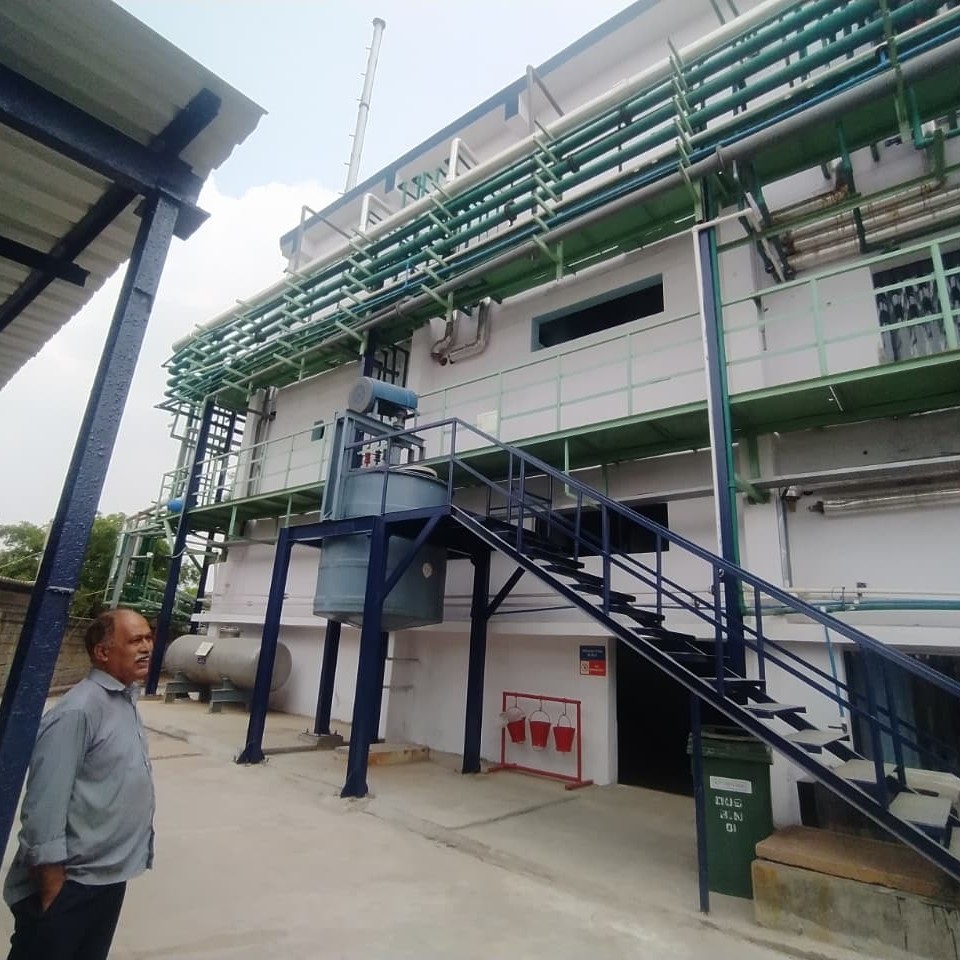
In the pharmaceutical industry, the choice of piping material is critical. While stainless steel (specifically 316L) remains the gold standard for high-purity water (WFI), Polypropylene Random Copolymer (PPR)—specifically PPR-CT (Beta-nucleated)—has become a favored alternative for utility and purified water systems due to its chemical resistance and smooth internal surface.
Here is a guide to the installation standards and best practices for PPR in a pharma environment.
1. Material Selection & Compliance
In pharma, "any old pipe" won't do. Ensure the PPR system meets these specific standards:
FDA/NSF Compliance: Materials must be certified for contact with potable water and food-grade applications.
PPR-CT vs. PPR: PPR-CT is often preferred because it offers higher pressure ratings at elevated temperatures and better hydraulic capacity.
Leachable/Extractable Profile: Ensure the manufacturer provides documentation that the pipe won't leach organic compounds into the process water.
2. Fusion Welding Methods
PPR is never glued; it is thermally fused. In a pharma context, the method of joining is vital for microbial control.


