


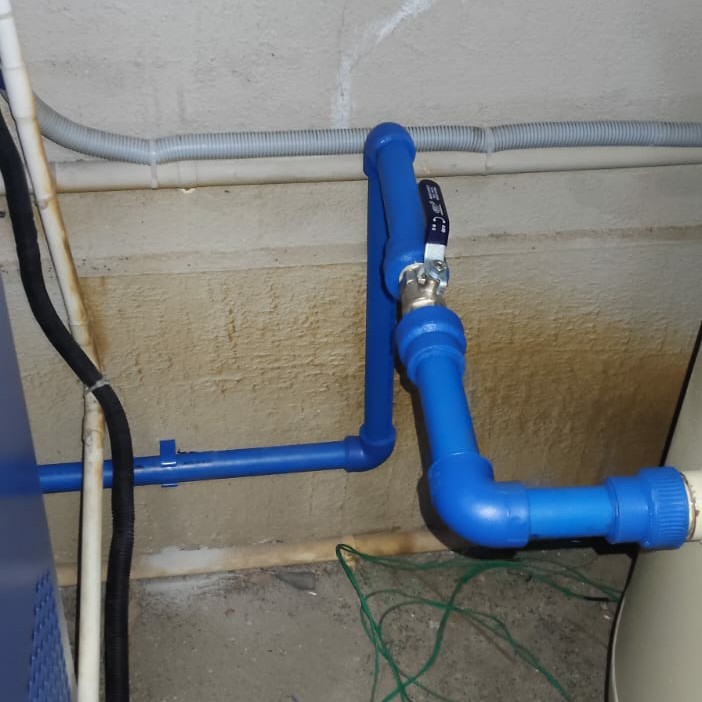
PPR (Polypropylene Random Copolymer) pipes are widely used for transporting water and various industrial fluids because of their durability, corrosion resistance, and long service life.
Common applications of PPR pipes include:
Hot and cold water supply in residential, commercial, and institutional buildings.
HVAC systems, including chilled water and heating water distribution.
Industrial process water distribution in factories.
Compressed air systems (when designed and installed according to manufacturer specifications).
Food and beverage processing plants, where hygienic water distribution is important.
Hospitals and healthcare facilities for potable water systems.
Hotels, schools, and commercial buildings for plumbing networks.
Chemical industries for transporting compatible chemicals.
Cooling water systems in industrial plants.
Agriculture and irrigation water distribution.
PPR pipes are valued because they:
Resist corrosion and scaling.
Handle temperatures up to around 95°C (depending on pressure and pipe class).
Have smooth inner surfaces that reduce pressure loss.
Are joined by heat fusion, creating leak-free connections.
Typically provide a service life of 50 years or more under proper operating conditions.
If you're interested in a specific industry—such as sugar plants, pharmaceuticals, electronics manufacturing, or HVAC—I can explain how PPR pipes are used in that application.


