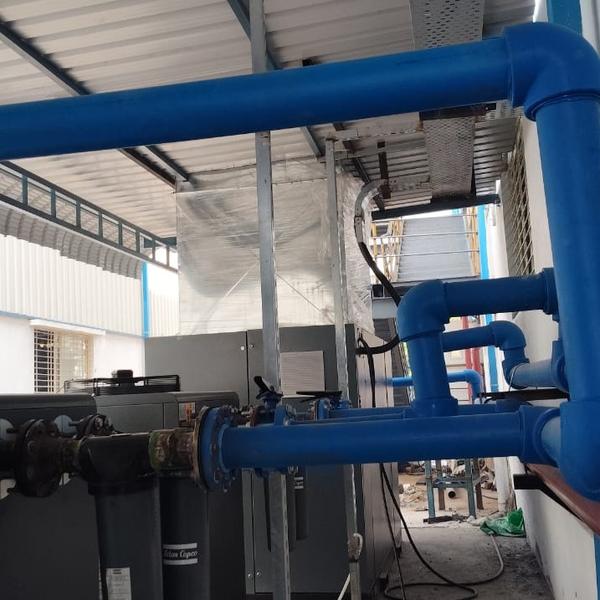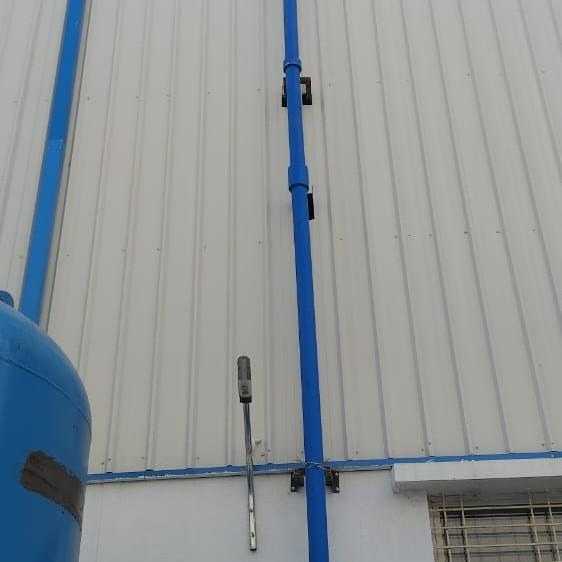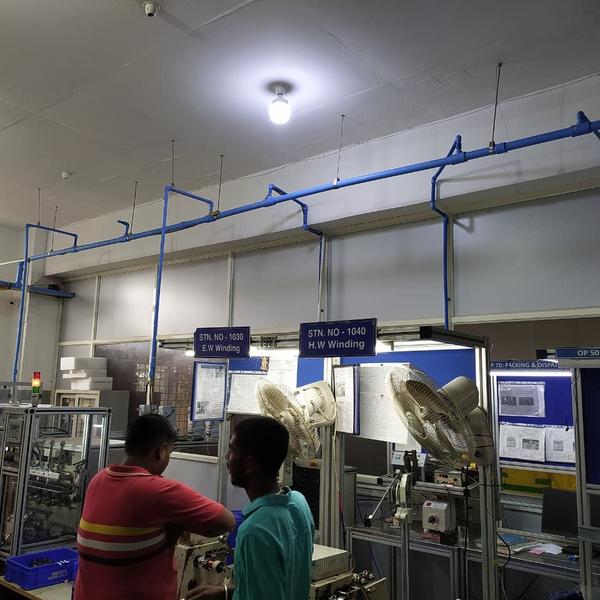


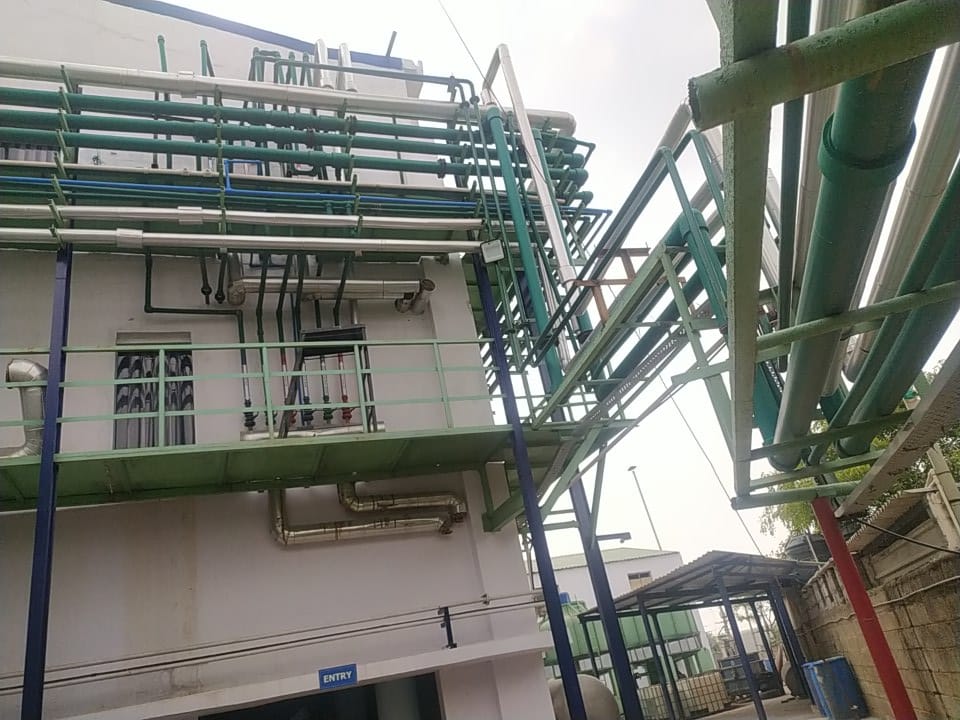
Indutility Engineers Pvt. Ltd. (based in Bengaluru) is a prominent supplier and service provider specializing in industrial utility solutions, including PP-R (Polypropylene Random Copolymer) piping systems.
For chemical industries, Indutility Engineers offers specialized PPR solutions designed to handle aggressive fluids that would typically corrode metal or lower-grade plastic pipes.
Industrial PPR Solutions Provided
Indutility Engineers typically supplies PPR systems (often partnering with brands like Prince Pipes) that feature specific architectural advantages for chemical plants:
Triple-Layer PPR-C: These pipes are often used for ETP (Effluent Treatment Plants) and STP (Sewage Treatment Plants). The three-layer construction provides enhanced UV resistance for outdoor exposure and extra chemical stability.
Chemical-Grade Fittings: They provide a full range of tees, couplers, and adapters specifically rated for industrial chemical transport.
High-Pressure Ratings: Their PPR range often includes PN16 and PN20 rated pipes, suitable for high-pressure chemical dosing and compressed air lines.
Why PPR is Preferred in Chemical Industries
Industrial engineers select these systems because Polypropylene is chemically inert to most electrolytes and aggressive substances.
1. Chemical Resistance Range
PPR is highly resistant to:
Acids: Sulfuric (up to 70%), Hydrochloric, and Phosphoric acids.
Alkalis: Sodium Hydroxide (Caustic Soda) and Potassium Hydroxide.
Salts: Most salt solutions used in industrial processing.
Organic Solvents: Alcohols and many non-polar solvents.
2. Operational Advantages
Corrosion-Free: Unlike MS (Mild Steel) or GI (Galvanized Iron) pipes, PPR does not rust or scale, ensuring the purity of the chemical being transported.
Temperature Stability: PPR remains stable at constant temperatures up to 70°C, with short-term peaks up to 95°C, making it ideal for hot chemical waste.
Fusion Welding: The joints are "homogeneously welded" (thermal fusion), meaning the joint becomes as strong as the pipe itself, eliminating the leak risks associated with threaded metal joints.
Smooth Bore: The low friction coefficient prevents sediment build-up and ensures high flow efficiency.