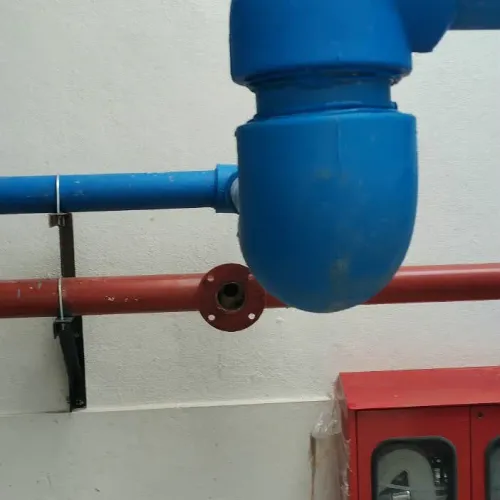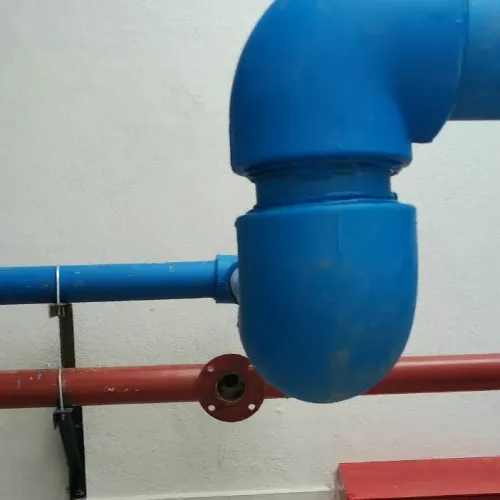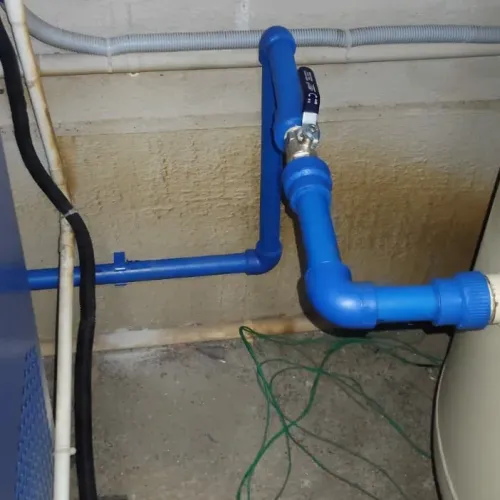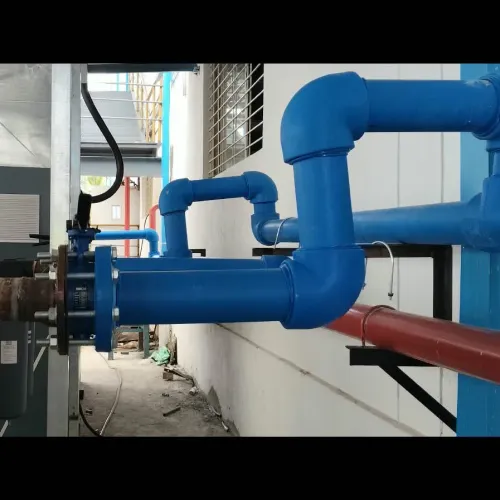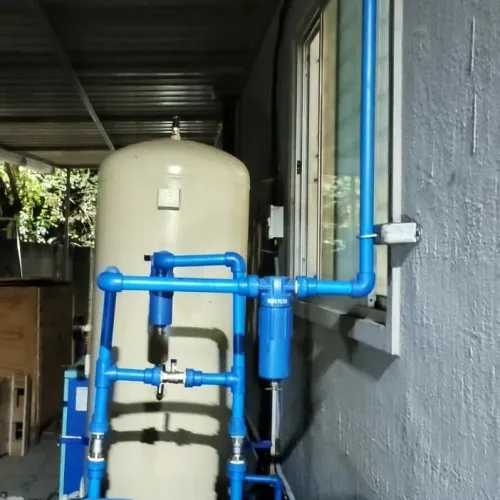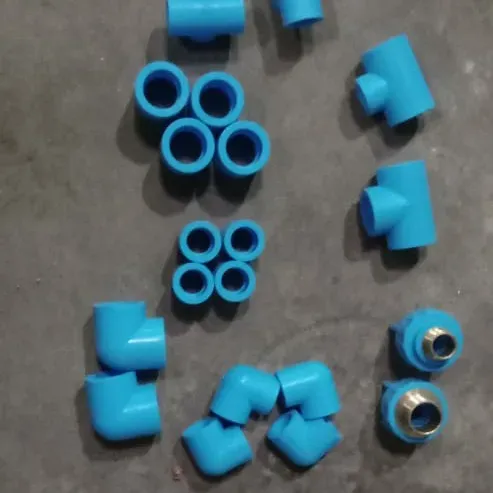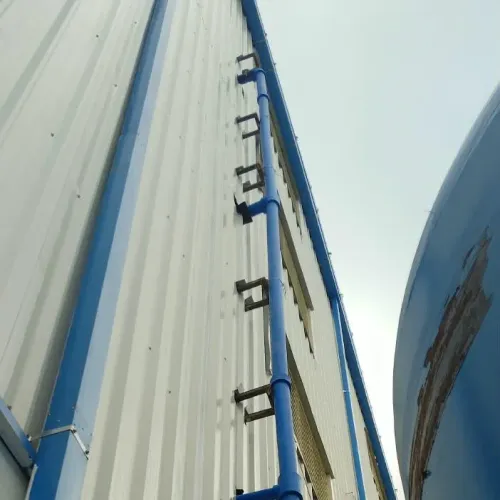
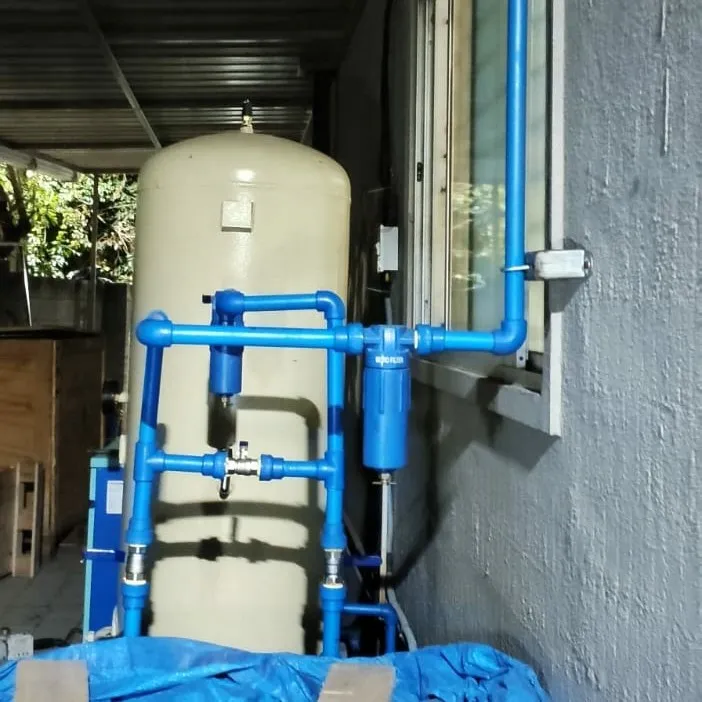
PPR (Polypropylene Random Copolymer) pipes are widely used in factories for water, utility, and selected industrial fluid systems because they are corrosion-resistant, lightweight, and joined by heat fusion.
Common factory applications:
Process water distribution
Hot and cold water supply
Cooling water systems
Chilled-water/HVAC piping
Compressed-air systems — only where the specific PPR system is rated and approved for compressed air
Boiler-feed and utility water, subject to temperature/pressure limits
RO/treated-water distribution
Chemical service for compatible chemicals and concentrations
Sanitary water lines in food and beverage plants
Advantages
Corrosion and scaling resistance
Heat-fusion joints provide leak-resistant connections
Low weight and easy handling
Smooth internal surface with low friction
Low maintenance
Long service life when correctly specified
Important: PPR is not automatically suitable for every factory fluid or gas. Pipe grade, PN/SDR rating, temperature, pressure, chemical compatibility, UV exposure, and applicable standards should be checked before installation. For nitrogen or other gases, use only a piping system specifically certified/rated for that gas service.
If you tell me the type of factory (chemical, sugar, food, electronics, textile, etc.), I can list the suitable PPR applications and recommended piping systems.
Keywords